

Reflective practice, as the word says it all… is the process of reflecting/introspecting/thinking about what you do and how you do it. Thinking about what happened is a trait common to every human. The key difference between ‘casual thinking’ and ‘reflective practice’ is that the latter requires conscious effort to think about events and develop insights from them. “We do not learn from experience…we learn from reflecting on experience.” – John Dewey. When it comes to teaching, reflection is of paramount importance in ensuring the educators are constantly working on improvising their methodologies. Effective teachers must first admit that no matter how good a lesson is, their practice can always be improved. Teacher reflection is important because it’s a process that helps teachers to collect, record, and analyze everything that happened in the lesson. It allows teachers to move from just experiencing to understanding.
Teachers can team up and provide each other support. This helps to develop good practice across the school, resulting in a more productive working environment.
What are the advantages of reflective practice?
Understanding learners—Reflective practice helps teachers understand the abilities and needs of their learners as the teacher gets into the students’ shoes while reflecting on his/her methodologies.
Develop reflective learners—Reflective teachers are instrumental in developing reflective learners. Imbibing the practice of reflection helps students become independent learners by analyzing, evaluating, and improving their own learning.
Professional Development—Self-reflection allows teachers to create and experiment with new ideas and approaches to gain maximum success for their learning and development.
Humility—Self-reflection needs to be done with utmost honesty. Honest with ourselves on our choices, our mistakes, our success, and on what could have been done better. This practice acts as a self-reminder to stay humble and continue working hard.
Enhances innovation—when a teacher sees that her students’ interest is waning, she is bound to innovate new methodologies to make the class interesting. Enhance problem solving—The practice allows teachers (and tutors) to devise strategies and map out personalized techniques for their struggling students.
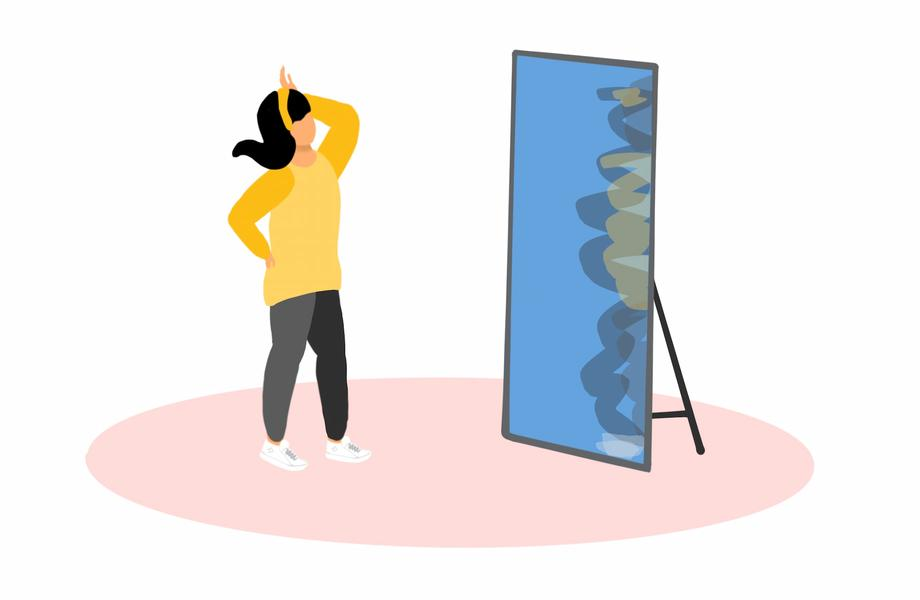
A few reflective practice tools:
Self-questioning: Questioning self on the effect and efficiency of teaching
Discussing with peers: Drawing on support from peers will allow to cement understanding and get involved with others’ ideas
Reflection journal: Instructors might consider capturing a few details of their teaching in a journal to create an ongoing narrative of their teaching across terms and years.
Teaching Portfolio: Though less focused on classroom practices, a portfolio is an opportunity to reflect on teaching overall. There are umpteen numbers of ways in which a teacher can get into the habit of reflective practice. It is definitely a skill that can be learned.
Essentially the practice consists of 6 R’s: Reacting > Recording > Reviewing > Revising > Reworking > Reassessing
Although critical reflection plays a crucial role in teacher education, busy work life tends to take over, and many educators forget to take a step back, look at the practice from a different perspective, and identify areas of improvement to better support the student learning experience. When teachers reflect and collect information regarding activities in their classrooms and take the time to analyze, they can identify more than just what worked and what didn’t. This kind of self-awareness is a powerful ally for a teacher.